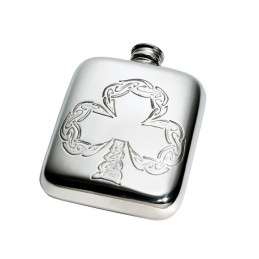
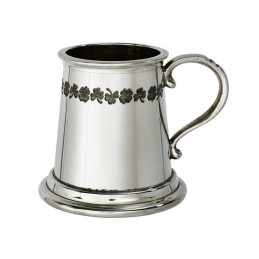
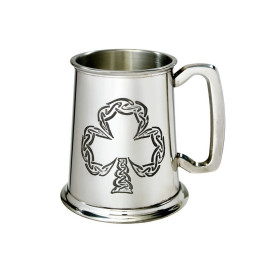
The Shamrock: Ireland's Timeless Emblem
2021-11-28 00:00:00
The shamrock is one of the most recognisable symbols of shamrock, Ireland, but its story goes far beyond St Patrick’s Day. Here, we look at its Celtic origins, its place in Irish folklore and nationalism, and why it remains such a powerful emblem of identity and pride.
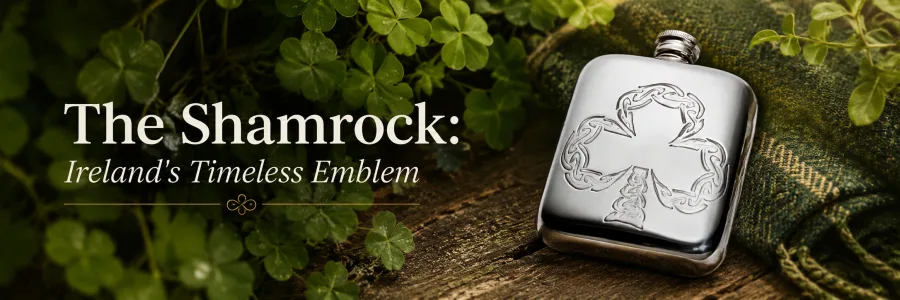
Shamrock, Ireland and a Symbol Known Around the World
The shamrock is one of those small symbols that carries a remarkable amount of meaning. In shamrock, Ireland, it has come to represent heritage, faith, luck and national pride, but its story begins long before modern celebrations and postcards. This modest three-leaved plant has travelled through centuries of history, gathering layers of legend along the way.
For many people, the shamrock is instantly linked with St Patrick’s Day. Yet its significance runs much deeper than one annual celebration. From ancient Celtic beliefs to Irish nationalism, it has remained a lasting emblem of the Irish spirit.
The Celtic Roots of the Shamrock
Long before the shamrock became a national symbol, it held meaning in Celtic culture. The ancient Celts placed great importance on the number three. They saw it as a sign of balance and harmony, and that idea appears again and again in their traditions.
The three leaves of the shamrock were thought to reflect important tripartite themes, such as:
- land, sea and sky
- past, present and future
- birth, life and death
This kind of symbolism made the shamrock more than just a plant growing in the fields. It became a simple but powerful reminder of how the world was understood in Celtic life.
St Patrick, Ireland and the Holy Trinity
One of the best-known stories connected to the shamrock is its link with St Patrick, the patron saint of Ireland. According to tradition, he used the plant to explain the Christian Holy Trinity during his missionary work in the 5th century.
The three leaves were said to represent the Father, the Son and the Holy Spirit — distinct, yet joined as one. It is a neat and memorable image, which may be one reason the legend has lasted for so long.
Whether every detail of the story can be proved or not, the tale of St Patrick and the shamrock has become deeply woven into Irish cultural identity. It helped the plant become a symbol that was both spiritual and distinctly Irish.
From Folklore to National Pride
By the 18th century, the shamrock had taken on a new role. It was no longer only a symbol of faith or folklore. It had also become a mark of Irish identity and, increasingly, resistance.
During the 1798 Irish Rebellion against British rule, many Irish soldiers wore shamrocks in their hats as a sign of solidarity and defiance. It was a small gesture, but a meaningful one. In moments like these, the shamrock became tied to the idea of standing together and expressing pride in being Irish.
That connection only strengthened in the years that followed. As political feeling grew in the 19th and 20th centuries, the shamrock continued to appear in nationalist movements and celebrations of Irish heritage.
Why the Shamrock Matters in Irish Identity
The shamrock’s strength lies in its simplicity. It is easy to recognise, easy to wear and easy to adapt, but it still carries a sense of history and belonging. That is part of why it has endured so well.
For many people, the shamrock represents:
- Irish heritage
- resilience and pride
- faith and tradition
- a connection to home, even from afar
It is a symbol that works on both a personal and national level. Someone might wear it to celebrate family roots, while another may see it as a broader emblem of Ireland itself.
Shamrock, Ireland and St Patrick’s Day Today
Today, the shamrock is most often associated with St Patrick’s Day on 17 March. It appears everywhere at this time of year, from parades and decorations to clothing and accessories worn by people around the world.
Its popularity at St Patrick’s Day has helped make it one of the most recognisable symbols of Ireland. It brings together celebration, tradition and a sense of shared identity. Even outside Ireland, the shamrock is used to honour Irish culture and to mark the occasion in a way that feels cheerful and familiar.
The Shamrock in Modern Ireland
The shamrock is not just a festive symbol. It continues to appear in modern Irish life in official and public settings as well. The Irish government and several national institutions use it as part of their identity, reinforcing its place as a national emblem.
You will also find the shamrock in the logos and branding of well-known Irish organisations, including Aer Lingus and the Irish rugby team. In these cases, the plant stands for Ireland at home and abroad, carrying a sense of tradition into the present day.
That blend of old and new is part of what makes the shamrock so enduring. It can feel traditional without ever seeming outdated.
The Luck Behind the Shamrock
The shamrock is often linked with good luck too, which adds another layer to its appeal. This belief is closely tied to the four-leaf clover, a rare variation of the clover family that has long been regarded as especially lucky.
It is worth noting that the shamrock itself is usually thought of as a three-leaved plant, while the four-leaf clover is a separate and less common find. Still, the two are often connected in the public imagination, and both are associated with fortune, hope and positive wishes.
That is probably why shamrock imagery feels so at home on gifts, decorations and keepsakes. It carries a little bit of warmth with it.
The Botanical Shamrock
One interesting fact is that there is no single botanical answer to what a shamrock actually is. The term can refer to several different species of clover, depending on context and tradition.
The most commonly accepted varieties include:
- Trifolium dubium (lesser clover)
- Trifolium repens (white clover)
- Medicago lupulina (black medic)
- Oxalis acetosella (wood sorrel), though this is less commonly accepted
This helps explain why the shamrock has sparked debate over the years. Even so, the exact plant matters less than the meaning it has gathered. Its symbolic power is what has truly lasted.
A Lasting Emblem of Ireland
From ancient Celtic symbolism to Christian legend, from rebellion to modern celebration, the shamrock has proved itself to be far more than a simple green leaf. It has become a lasting emblem of Irish history, pride and identity.
That is what makes the shamrock, Ireland such a compelling story. It connects folklore, faith and national feeling in one small, instantly recognisable shape. Few symbols manage to feel quite so timeless.
Whether it is worn in honour of St Patrick’s Day, displayed as a sign of Irish heritage or simply appreciated for what it represents, the shamrock remains a beautiful reminder of Ireland’s rich cultural story.
If you love Irish symbolism and meaningful keepsakes, take a look at Pewter World’s range of handcrafted gifts inspired by tradition.