How to Clean Pewter
2020-08-20 00:00:00
Keeping pewter looking its best is simple. For regular cleaning, use warm water, mild washing-up liquid and a soft cloth or sponge, then dry thoroughly. Different pewter finishes need different care, so this guide explains how to identify your finish and safely clean, polish and protect your pewter for years to come.
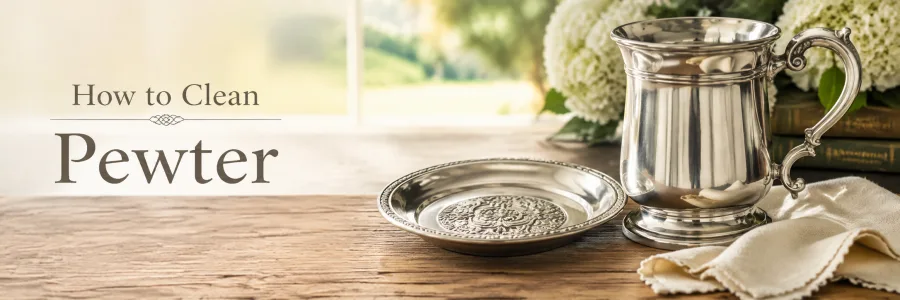
So, you’ve bought a special pewter gift and want it to stay looking its best. Naturally, the next question is how to clean pewter without damaging its finish.
Pewter is a timeless, robust and elegant metal. Look after it properly and it can last beautifully for years. It is also a wonderfully low-maintenance choice, which is one reason it makes such a popular gift. Unlike silver, it does not tend to tarnish in the same way, although it can oxidise over time and lose a little of its shine.
That does not mean pewter is difficult to care for. Quite the opposite. With the right cleaning method, you can keep your pewter tankards, goblets, plates, sculptures and decorative pieces looking smart and well cared for. In this guide, we will walk you through the best ways to clean pewter, along with a few simple aftercare tips.
Before you clean pewter
It is important to know what type of pewter you have before you start. Different finishes need different care, and using the wrong method can damage the piece.
Polished pewter
Polished pewter has a bright, elegant finish and is often used for jewellery and keepsake items.
Satin pewter
Satin pewter has a softer, grainier appearance and is commonly found on more traditional items such as tankards, crockery and doorknobs.
Oxidised pewter
Oxidised pewter is the darkest type and should never be polished. Doing so would remove its deep colour and reduce the value of the piece.
So, before you clean pewter, always identify the finish first.
What you will need to clean pewter
The good news is that most of the items you need are likely already in your home.
- Mild washing-up liquid
- Household sponge
- Lukewarm and hot water
- Soft, absorbent cloth
- Microfibre cloth or soft towel
- Washing-up bowl
- Plastic container
- Flour
- Salt
- Household vinegar
- Linseed oil
- Rottenstone powder
- Fine steel wool, used with extreme care
Clean pewter with soap and water for regular care
For everyday maintenance, a gentle wash is usually all that is needed.
- Dust and clean your pewter regularly with a soft microfibre cloth to stop dirt building up.
- Place the item in a washing-up bowl with hot water. Warm water will work too, but hot water helps lift stubborn grime more easily.
- Add a little mild washing-up liquid. Avoid anything too harsh or caustic. A gentle washing-up liquid or even baby shampoo will do the job well.
- Wash the piece using a soft sponge. Do not use a scouring pad, as this can scratch the surface.
- For smaller items, rinse under a tap to remove soap and grime. Larger pieces can be rinsed in clean warm water or wiped down with a damp cloth.
- Dry the item thoroughly with a soft cloth, then buff lightly with a microfibre cloth for a lovely finish.
Regular cleaning like this helps protect the surface and keeps your pewter looking cared for without much effort.
How to clean satin pewter
If you have satin pewter, a simple homemade paste can help lift tarnish and bring back the finish.
- Mix equal parts flour and vinegar in a plastic container. Half a cup of each is usually enough.
- Add about a teaspoon of salt. This works as a mild abrasive.
- Apply the paste evenly using a circular motion.
- Leave it on for around 30 minutes.
- Gently polish with a microfibre cloth.
- If needed, use fine steel wool very lightly, always going against the grain and with extreme care.
- Rinse away the paste with warm water or a clean damp cloth.
- Dry the pewter thoroughly with a soft cloth.
Remember, satin pewter is not meant to look shiny like silver, so aim for a clean, refreshed finish rather than a mirror shine.
A quick warning for oxidised pewter
Never use this method on oxidised pewter. It will damage the surface and can lower the value of the piece.
How to polish pewter safely
If your pewter has become dull and needs a little more attention, a polishing paste can help restore its appearance.
- Warm a small amount of linseed oil in a pan. You only need a tablespoon or two.
- Add rottenstone powder to make a paste. Use roughly equal amounts of oil and powder.
- Allow the mixture to cool fully before use. Never apply it while hot.
- Using a soft cloth, rub the paste over the surface in gentle circular motions.
- Rinse the item straight away using warm water or a clean damp cloth.
- Make sure every trace of paste is removed.
- Dry the piece with a soft cloth.
- Finish by buffing gently with a microfibre cloth for a gleaming shine.
As with the other methods, do not use this on oxidised pewter.
Extra aftercare tips for pewter
A little care goes a long way.
- Store pewter somewhere dry to help prevent oxidation.
- Avoid harsh chemicals and abrasive sponges.
- Dust pieces regularly so dirt does not build up.
- Handle decorative items with care, especially if they have engraved or detailed surfaces.
- If you are unsure about the finish, test any cleaning method on a small, hidden area first.
Why it is worth taking time to clean pewter properly
These methods may take a little longer than reaching for a shop-bought cleaner, but they are often gentler, more affordable and better suited to this beautiful metal.
Pewter has been valued for centuries. It was first found in an Egyptian tomb in 1450 BC and later became widely used for crockery and cutlery. Back then, people did not have modern cleaning products, yet pewter was still prized for its durability and appeal.
The same is true today. With the right care, a pewter piece can remain elegant, attractive and full of character for many years.
If you are ever unsure which method to use, take your time and choose the gentlest option first. And if you need any help or advice, we are always happy to help at Pewter World. Explore our range of handcrafted pewter gifts for more timeless pieces to treasure.